
By CATBA DAY CRUISE editorial team · 3 min read · Sources checked
A striking image can help explain why night kayaking appeals, but it cannot promise that your eyes will see the same scene.
Check the trip for your datesIn this guide
- Use a photograph as a question, not a viewing guarantee
- A recorded image has its own production history
- Why exposure time is relevant
- What a truthful image caption should tell you
- Decide what would make the evening worthwhile
- Keep your own image claims honest
- Compare the image’s role in your decision
- Before choosing the evening
- Questions answered
Use a photograph as a question, not a viewing guarantee
A striking image can help explain why night kayaking appeals, but it cannot promise that your eyes will see the same scene. Before booking for a particular visual effect, ask whether the image is from the actual programme, what it depicts and whether it is being used as a representative illustration rather than a departure forecast.
A recorded image has its own production history
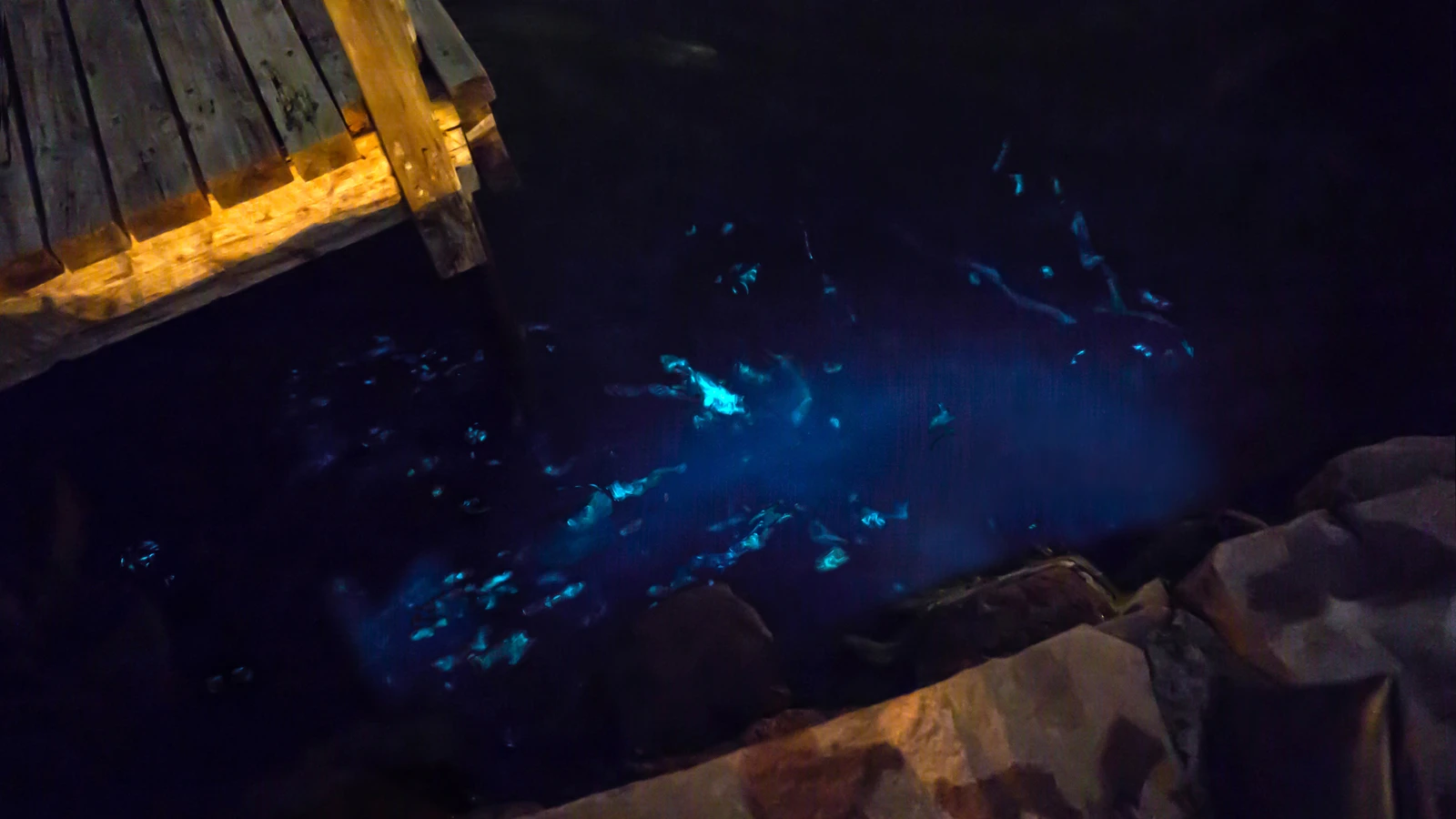
A photograph has a location, capture method and editing history. Without that information, you cannot use brightness or colour in an image as a measurement of what a guest standing beside the camera saw. This is a media-literacy distinction, not an accusation that every attractive photograph is false.
A visitor choosing between activities should therefore separate two goals: experiencing the guided evening and producing a specific photograph. The first depends on the agreed programme and conditions. The second additionally depends on the equipment, technique and permitted opportunities actually available.
Why exposure time is relevant
Nikon explains that a longer shutter opening allows more light to reach the sensor. This is why capture method belongs in the interpretation of a night image. It is not a recommended setting for a moving kayak and does not establish that a particular photograph represents the naked-eye view.
What a truthful image caption should tell you
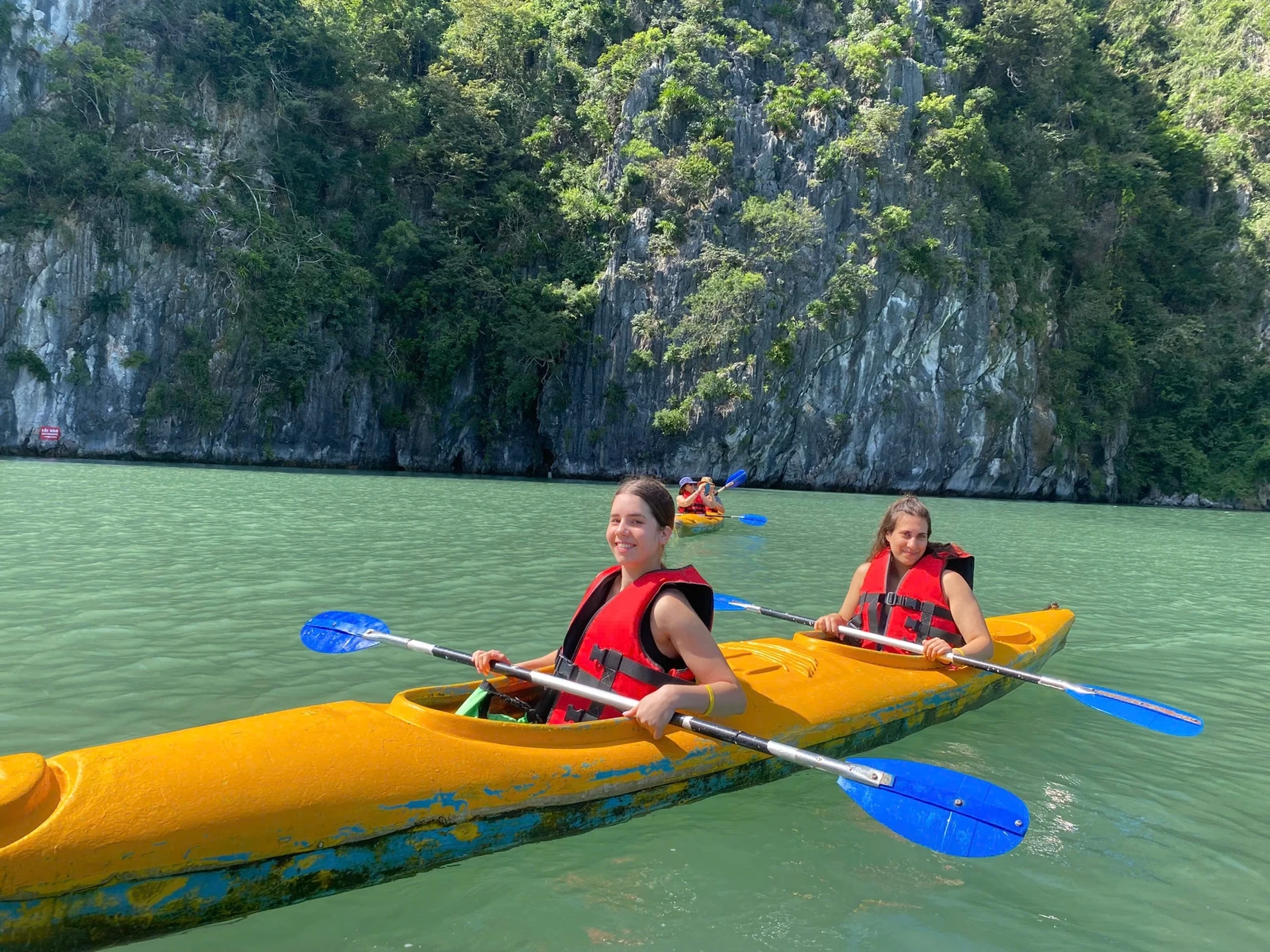
Look for a caption that states whether the image records the actual programme or is illustrative. A daylight kayak scene does not demonstrate night visibility, and an image alone cannot establish your naked-eye view. A caption may also make clear that the photograph is not a promise of conditions on every trip.
Decide what would make the evening worthwhile
If you mainly want a photograph matching one dramatic example, say that in your enquiry and consider the uncertainty before paying. If you value the guided after-dark experience itself, judge it by the current itinerary, support and participation arrangements. Do not let a single image silently replace those practical details.
Keep your own image claims honest
If you later share pictures, describe them accurately and avoid presenting an edited image as a guaranteed naked-eye view for every traveller. A personal photograph records one occasion. It is not evidence that another departure, date or location will produce the same experience.
Compare the image’s role in your decision
Imagine choosing between a daylight bay programme and an evening promoted with a vivid blue photograph. Before changing your travel plan, identify whether the picture documents that actual programme or simply illustrates the phenomenon. Then compare the activity you would really purchase.
If you value the guided evening even without that image, the photograph is inspiration rather than a promise. If reproducing it is essential, that is an important expectation to disclose. The distinction protects both your decision and the accuracy of the information you later share with other travellers.
Before choosing the evening
- Ask what the promotional image actually depicts and where it was made.
- Separate a photographic goal from the guided activity you are purchasing.
- Read the science pillar for the phenomenon, not a promise of photographic brightness.
- Choose the programme only with expectations you would accept under variable natural visibility.
Questions answered
Can a promotional photograph guarantee what I will see?
No. An image from one occasion does not establish a future departure’s natural display or your own viewing experience.
Does a daylight kayak photograph prove the night programme’s glow?
No. It can illustrate the bay setting, but it should not be labelled as evidence of visible bioluminescence.
Before you book
This guide draws on the listed services and booking policies. Listed day cruises show the itinerary, inclusions and VAT-inclusive total before you pay; programmes marked for availability review are confirmed before payment.
Further reading
Related planning guides
Choose the trip that fits your plans
Review the programme, connection and VAT-inclusive USD price, then request availability for your date. Places and operating arrangements are confirmed before payment; visible bioluminescence is not guaranteed.
Explore Eco night kayaking