
By CATBA DAY CRUISE editorial team · 3 min read · Sources checked
An advertised possibility of glowing water should not create an expectation that the operator can manufacture a display.
Check the trip for your datesIn this guide
- Begin with a natural experience rather than a performance demand
- Follow the permitted activity rather than improvising a demonstration
- Keep photographs from dominating the group’s evening
- Leave the place as a place, not a backdrop to alter
- Share the experience accurately afterwards
- A visitor’s expectations affect the shared experience
- Before choosing the evening
- Questions answered
Begin with a natural experience rather than a performance demand
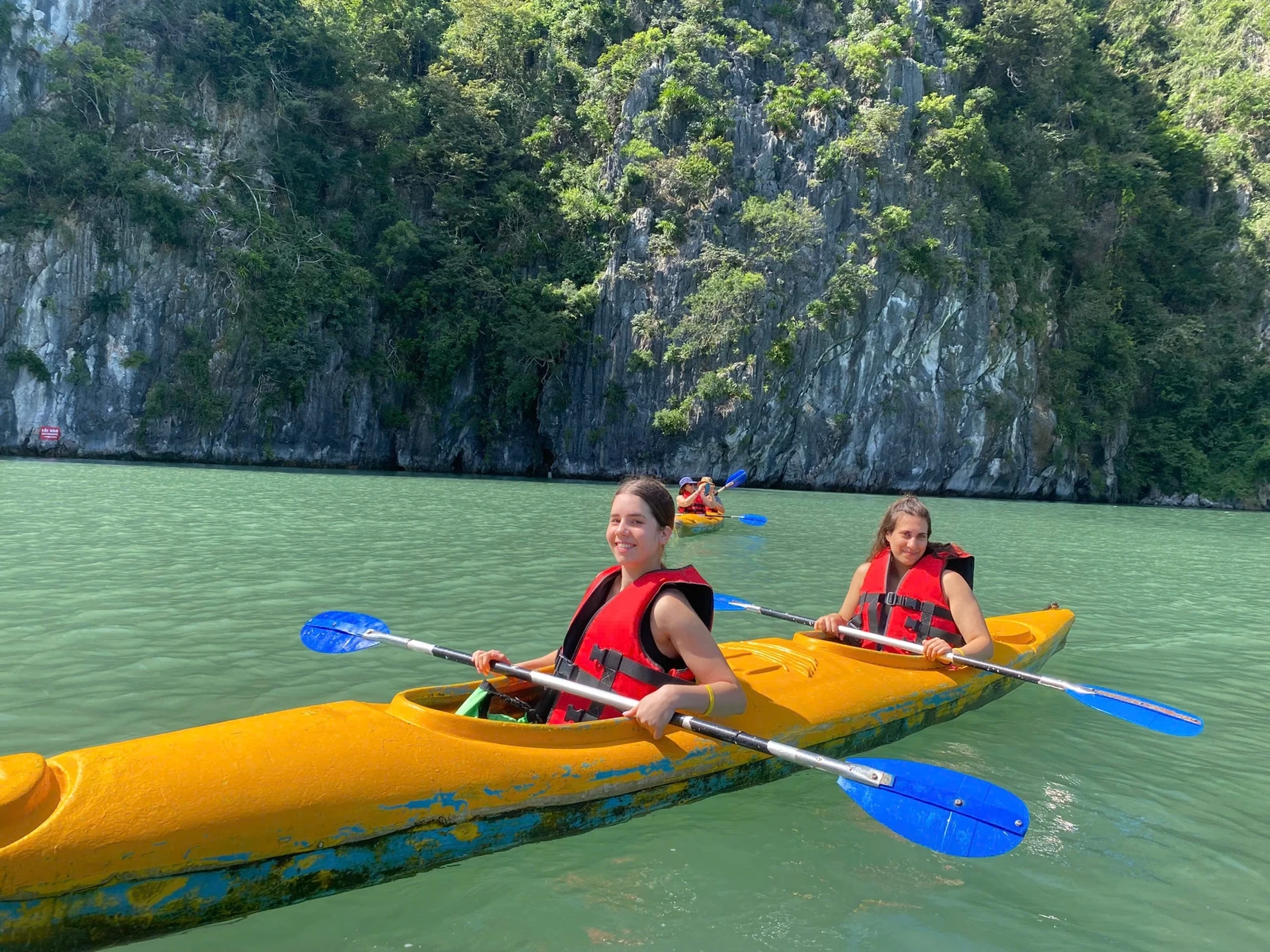
An advertised possibility of glowing water should not create an expectation that the operator can manufacture a display. Decide whether the agreed guided activity has value for you under its stated conditions. This is the basis for visiting responsibly without pressuring a crew or guide to deliver an image that nature has not promised.
Follow the permitted activity rather than improvising a demonstration
Do not treat a science explanation of bioluminescence as instructions to collect organisms, add substances to the water or choose a route independently. An organised paddle has its own operator instructions and permitted arrangements. A biological explanation is context, not an activity authorisation.
If you are uncertain about a proposed action, ask the guide rather than assuming that more disturbance or closer access is always desirable. The purpose of a visitor guide is not to create an unsupervised experiment in the bay.
Keep photographs from dominating the group’s evening
Other guests may be there to experience the setting rather than wait for a particular exposure or pose. Any photography plan should fit the actual operator’s instructions and the shared programme. Do not assume exclusive use of a craft, viewpoint or stopping period because a promotional photograph shows one person alone.
Leave the place as a place, not a backdrop to alter
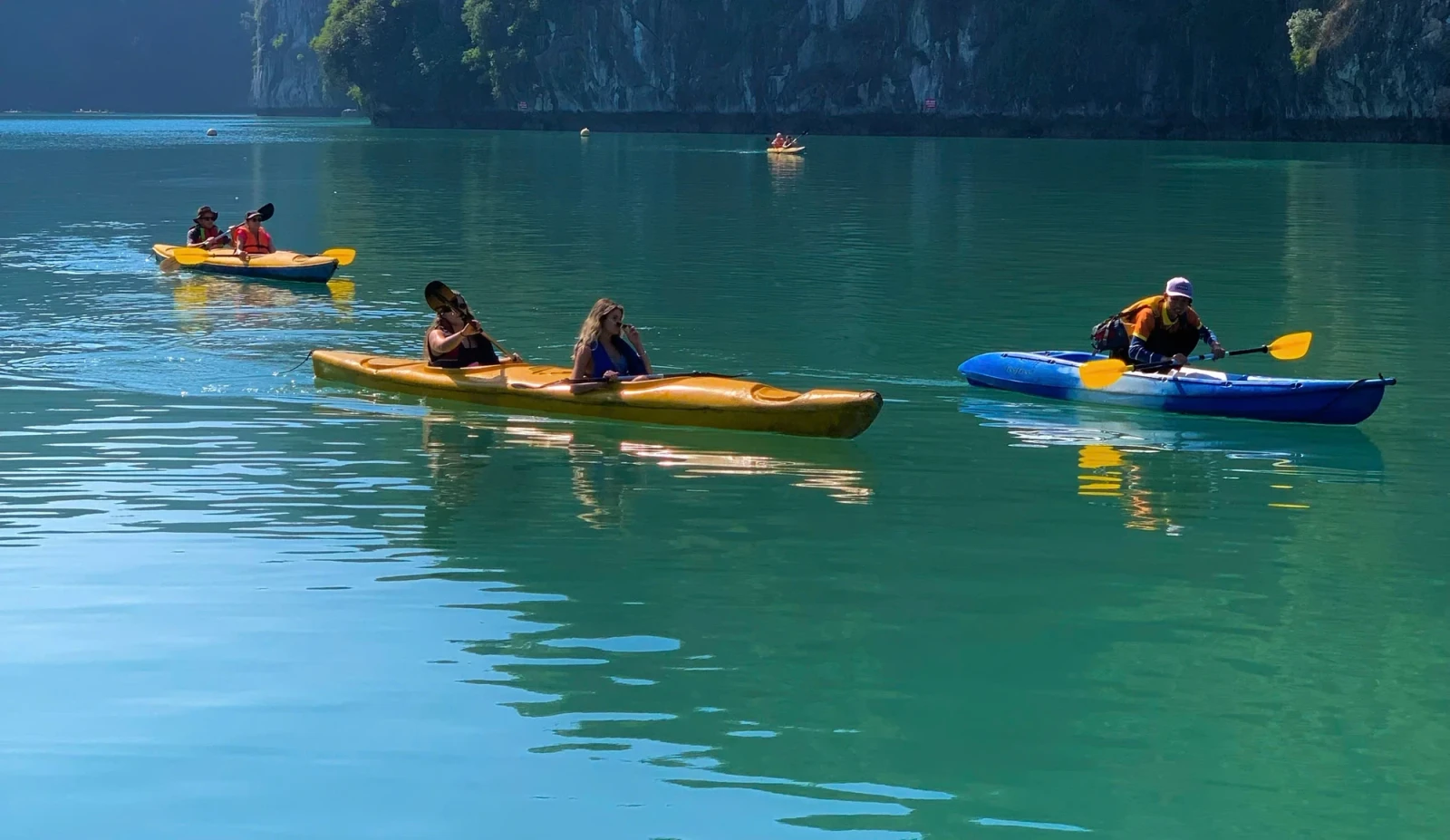
As practical visitor etiquette, keep personal rubbish with you, respect working communities and do not remove wildlife or objects for a souvenir. This is not a claim that a particular tour holds an environmental certification. It is a way of keeping your own conduct consistent with a natural setting.
Share the experience accurately afterwards
If you publish a photograph or review, distinguish your actual activity, conditions and any edited image from a promise for every visitor. A truthful account can describe a modest display or no visible glow without inventing a universal rule for the bay. One night is one experience, not a scientific survey.
A visitor’s expectations affect the shared experience
Imagine one guest determined to obtain a dramatic photograph and another happy to follow the agreed paddle and observe the setting. The operator should not have to invent a spectacle to reconcile those expectations. Decide what you are buying and what remains uncertain before the activity.
During the evening, follow the actual instructions and respect the shared group’s time. Afterwards, a precise description of your own observation is more useful than a claim that every visitor will see the same thing. Responsible communication is part of responsible viewing: it helps the next traveller choose from accurate information rather than an amplified promise.
Before choosing the evening
- Do not demand a manufactured natural display.
- Follow the agreed route and guide instructions.
- Fit photographs into the shared activity rather than assuming private access.
- Describe your actual experience honestly when sharing it.
Questions answered
Should visitors collect glowing organisms for a demonstration?
This guide does not authorise collection or independent experiments. Follow the operator’s actual permitted activity and instructions.
Does a responsible-viewing article prove tour certification?
No. Visitor etiquette and an operator’s verified environmental certification are different claims.
Before you book
This guide draws on the listed services and booking policies. Listed day cruises show the itinerary, inclusions and VAT-inclusive total before you pay; programmes marked for availability review are confirmed before payment.
Further reading
Related planning guides
Choose the trip that fits your plans
Review the programme, connection and VAT-inclusive USD price, then request availability for your date. Places and operating arrangements are confirmed before payment; visible bioluminescence is not guaranteed.
Explore Eco night kayaking